Cat Stevens Net Worth, Real Name, Mother, and Life Story
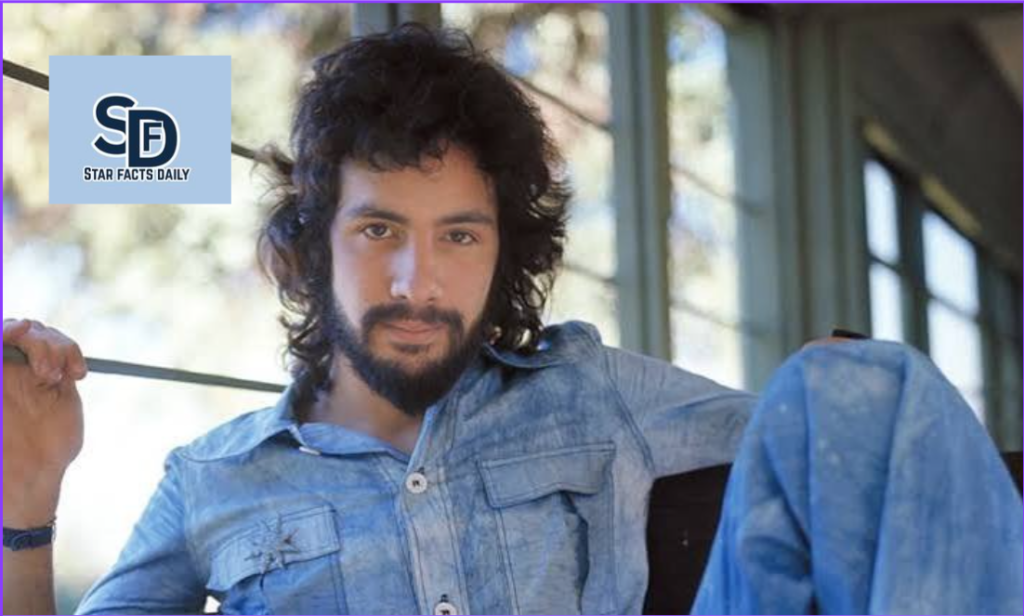
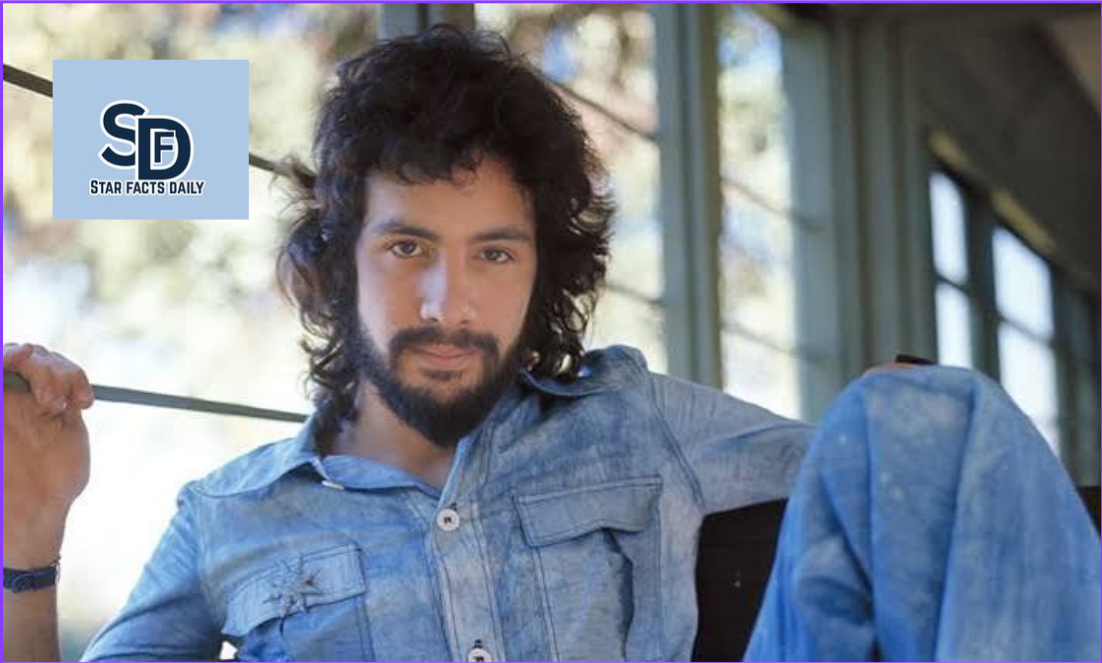
Cat Stevens is a British singer-songwriter whose music shaped the folk-rock sound of the 1970s. Known today as Yusuf Islam or Yusuf/Cat Stevens, he created enduring songs such as “Wild World,” “Peace Train,” “Father and Son,” “Morning Has Broken, and “Moonshadow.” His decades-long career, songwriting royalties, album sales, touring history, and charitable work continue to generate interest in Cat Stevens net worth .
Cat Stevens Net Worth
Estimates of Cat Stevens net worth vary because private financial information, publishing agreements, property holdings, investments, and charitable donations are not fully disclosed. Several entertainment publications place his estimated net worth at approximately $10 million, although this figure should be treated as an unofficial estimate rather than a confirmed financial statement.
Much of Stevens’ wealth comes from his successful music catalog. During the early 1970s, he released a series of commercially successful albums, including Tea for the Tillerman, Teaser and the Firecat, Catch Bull at Four, Buddha and the Chocolate Box*, and Greatest Hits. These records sold widely in the United Kingdom, the United States, and other international markets.
Songwriting has also been a major source of income. Stevens wrote many of his own best-known songs, which means he has benefited not only from recording revenue but also from publishing royalties. “The First Cut Is the Deepest” became especially valuable over time because it was recorded by artists such as P. P. Arnold, Rod Stewart, and Sheryl Crow. A song that continues to be covered or licensed can create income for its writer many years after its original release.
In 2007, reports cited Stevens as earning approximately $1.5 million annually from his Cat Stevens music at that time, while also explaining that he intended to direct accumulated wealth and continuing music income toward philanthropic and educational causes. His financial story, therefore, is not simply about personal wealth. It is also connected to charitable activities and his long-standing interest in education, humanitarian relief, and religious community work.
Because net-worth websites use different methods and often rely on estimates, readers should be cautious about claims that present a precise figure as fact. A more accurate description is that Cat Stevens has built substantial wealth through music, while the exact value of his estate remains private.
What Is Cat Stevens’ Real Name?
For readers asking, “what is Cat Stevens real name?”, the answer is Steven Demetre Georgiou. Some sources spell his first name as Stephen, but major biographical references commonly use Steven Demetre Georgiou. He was born on July 21, 1948, in Marylebone, London, England.
He adopted the professional name Cat Stevens during the 1960s. The name helped distinguish him as a performer and became internationally recognized after the success of his early singles and albums. His debut album, Matthew and Son, arrived in 1967 and included the title song, which reached No. 2 on the United Kingdom singles chart.
In the early 1970s, Stevens became one of the leading singer-songwriters of his generation. His music combined gentle acoustic arrangements with reflective lyrics about family, identity, relationships, spirituality, and growing older. Songs such as “Father and Son” and “Where Do the Children Play?” became especially influential because they expressed emotional and social concerns in a direct, accessible way.
In the late 1970s, Stevens embraced Islam and adopted the name Yusuf Islam. The name Yusuf is the Arabic form of Joseph, a significant figure in religious tradition. His personal transformation led him to step away from mainstream pop music for many years and focus on faith, family, education, and humanitarian work. Today, he is often presented as Yusuf/Cat Stevens to acknowledge both
Cat Stevens Mother
Another frequently searched question is “Cat Stevens mother.” His mother was Ingrid Wickman, a Swedish woman. His father was **Stavros Georgiou**, who was Greek Cypriot. Together, they operated the Moulin Rouge restaurant in London, and the family lived above the business.
Growing up in a multicultural household exposed Stevens to different traditions and artistic influences. London’s busy West End also placed him close to music, theater, and the creative atmosphere that surrounded the city’s entertainment industry. These experiences helped shape his early interest in performing and songwriting.
Stevens was the youngest of three children. He developed an interest in music at a young age and learned to play instruments including the piano and guitar. He also showed an interest in visual art and studied at the Hammersmith School of Art before choosing music as his primary career. His family background and early surroundings became part of the broader story behind his artistic development.
Although biographical sources often focus on his famous father-son song, his family history is equally important. His Greek-Cypriot heritage, Swedish maternal background, and upbringing in London gave him a broad cultural perspective that later appeared in his music and spiritual journey click for more information.
Career Highlights and Legacy
Cat Stevens’ most influential period came between 1970 and 1977. During those years, he released albums that achieved strong chart positions and lasting critical recognition. Tea for the Tillerman introduced songs including “Wild World” and “Father and Son,” while *Teaser and the Firecat* featured “Peace Train,” “Morning Has Broken,” and “Moonshadow.”
After leaving popular music for an extended period, Yusuf Islam gradually returned to recording and performing. His later work connected his spiritual identity with the melodic and storytelling qualities that had made Cat Stevens famous. He has also remained active in humanitarian and educational causes, including efforts related to charitable relief and Islamic education.
His legacy is measured not only by record sales or net worth. Stevens’ songs have been covered by numerous performers, included in films and television programs, and passed from one generation to another. His writing remains popular because it communicates complicated emotions through simple melodies and memorable language click more information for biography.
Final Thoughts
Cat Stevens net worth is commonly estimated at around $10 million, but no official public accounting confirms an exact total. His wealth has been supported by album sales, songwriting royalties, licensing, performances, and the continuing popularity of his music.
For anyone asking what is Cat Stevens real name, he was born Steven Demetre Georgiou and later became known as Yusuf Islam. Cat Stevens mother was Ingrid Wickman, a Swedish woman who, together with his Greek-Cypriot father, helped raise him in London. His family background, spiritual transformation, and influential songwriting have made him one of the most enduring figures in modern folk-rock music.