
Johnny Cash Height, Net Worth, and the Famous Ostrich Incident
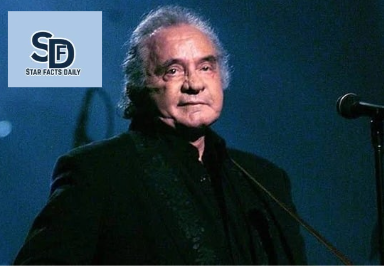
Johnny Cash, known as the “Man in Black,” remains one of the most iconic figures in American music history. His deep baritone voice, raw storytelling, and outlaw image helped bridge country, rock, blues, and gospel into a uniquely powerful sound. Beyond his timeless songs like “I Walk the Line” and “Folsom Prison Blues,” fans often ask about his physical stature, how much money he left behind, and the bizarre story of his ostrich three angles that reveal both his legend and humanity.down.
How Tall Was Johnny Cash
Johnny Cash stood at approximately 6 feet 2 inches (about 1.88 meters), a height that added to his commanding stage presence. In photos and live performances, his tall frame—often draped in black made him look even larger than life, reinforcing the aura of the “Man in Black.” This stature helped him dominate the spotlight during concerts at prisons, arenas, and late‑night TV, where his imposing figure matched the emotional weight of songs about sin, salvation, and redemption.
Musicians and fans alike have noted that his height, combined with his deep voice and serious gaze, made him instantly recognizable even without hearing a note. Whether standing alone in front of a microphone or leading a band, Cash’s size reinforced his image as a larger‑than‑life troubadour of the American experience.
Johnny Cash Net Worth
Estimates of Johnny Cash’s net worth at the time of his death in 2003 vary, but most reputable sources place it around $60 million, with some calculations suggesting as high as $80–100 million after inflation. Over his long career, he sold more than 90 million records worldwide, making him one of the best‑selling music artists of all time. His income streams included record sales, royalties, live‑performance fees (sometimes around $75,000 per show during peak years), and ownership of music‑related assets.
Cash also owned multiple properties, including a large estate in Hendersonville, Tennessee, complete with home studios and farm land, which contributed to his net worth. Although he faced financial and personal struggles related to addiction and legal issues, his later‑career success especially hits like the cover of “Hurt”—helped restore both his reputation and finances. Today, his estate continues to earn from streaming, licensing, and merchandise, ensuring that his legacy remains financially influential as well as cultura.
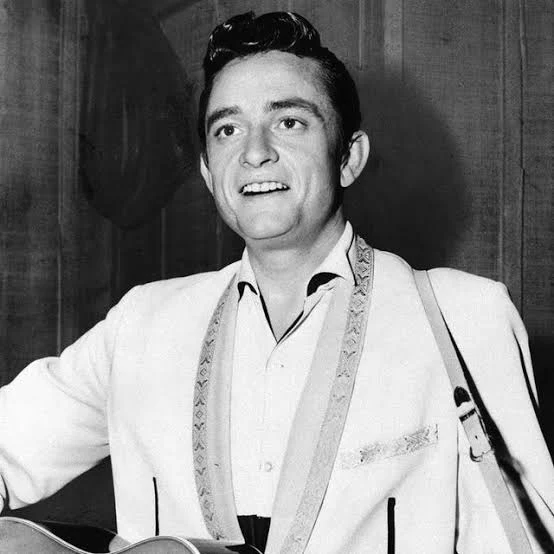
Johnny Cash and the Ostrich Story
One of the more unusual anecdotes tied to Johnny Cash involves an ostrich on his Tennessee property. By the early 1980s, Cash lived a quieter life on his farm in Hendersonville, where he kept various animals, including ostriches. One male ostrich, reportedly named Waldo, became particularly territorial after losing its mate to harsh winter weather.
According to Cash’s own recollections in his autobiography and later retellings, he once tried to assert control over the bird by approaching it with a six‑foot stick, believing he was the true master of the property. The ostrich, feeling threatened, lunged and kicked Cash in the abdomen with its powerful leg, tearing open his stomach and breaking two of his ribs. The incident was nearly fatal and required emergency surgery, reinforcing the message that even the “Man in Black” had to respect nature’s strength.
This bizarre episode has become a lesser‑known but memorable part of Cash lore, often shared in music‑history pieces and “animal‑fact” segments. It also highlights how Cash’s life mixed mythic performance with very real, sometimes dangerous, day‑to‑day experiences on his rural estate.
Why Fans Still Care About Johnny Cash
Johnny Cash’s enduring popularity comes from more than his 6‑foot‑2 frame or multi‑million‑dollar net worth. His songs spoke plainly about prisoners, addicts, workers, and outsiders, giving voice to people often ignored in mainstream culture. His prison concerts, especially at Folsom and San Quentin, turned performances into social‑justice statements, blending entertainment with empathy.abd.